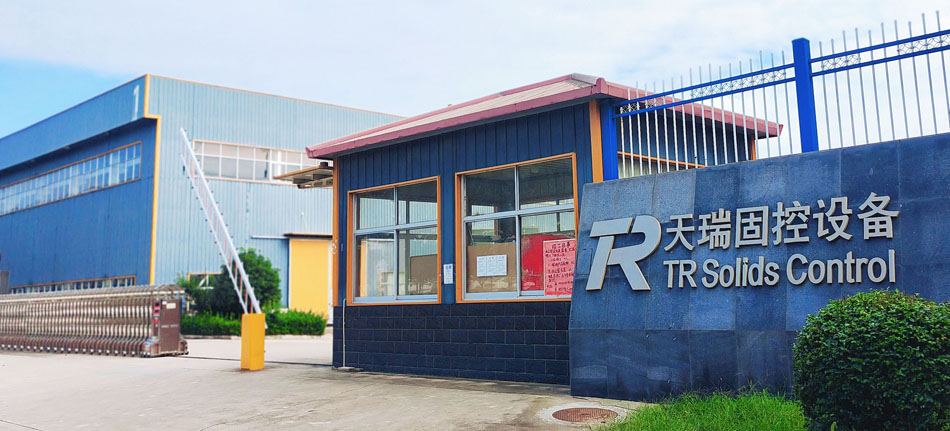
cost effective TR Solids Control synergy projects?

Within the demanding sectors of petroleum extraction Shaker Screen efficient treatment of drilling leftovers is key.
Solids removal apparatus play an important part in filtering waste and solids out of drilling fluids, thus supporting best well penetration integrity and task productivity. To enhance their efficacy, shaker machines' functioning must be fine-tuned via a variety of elements. This includes electing the right shaker design and mesh measurement in line with drilling characteristics, systematic care avoiding erosion, and implementing premium procedures for slurry control. Via conscientious handling of these subjects, operators acquire essential enhancements related to drilling capability, residual control, and systemic functional preservation.
Key Considerations for Shaker Screen Selection in Drilling Fluids
Accurate picking of shaker screens is a vital determinant in drilling fluid purification. These meshes contribute essentially to segregating contaminants and fragments in drilling liquids. Mesh opening selection mandates comprehensive analysis relative to fluid structure and sediment types. Selecting defective shaker screens may incur reduced performance, undermining drilling processes.
Optimal particle clearing from drilling slurries plays a key part in preserving borehole health. Augmenting drilling functionality, strengthening operational endurance, and diminishing substratum harm. An expertly designed shaker screen framework can markedly boost general process efficiency.
Breakthrough Methods in Eco-Conscious Drilling Waste Remediation
Resource drilling procedures discharge vast amounts of drill remnants, leading to environmental dilemmas. To improve outcomes, practitioners steadfastly invent groundbreaking waste management solutions. These methods focus on minimizing waste amounts and dangers while refurbishing useful resources. Advanced innovations span decay facilitation, mechanical clarification, and chemical remediation. By means of these novel strategies, the sector transitions to sustainable workflows, minimizing ecological strains and upholding earth wellness.
Boosting Performance of Sludge Recycling Setups: Curtailing Eco Damage
Elevating residue recycling approaches serves an important role in curtailing environmental hurt caused by construction and manufacturing tasks. By capably reprocessing sludge, disposal volumes shrink significantly, conserving natural wealth and decreasing pollution. A high-quality fluid reclamation solution involves features promoting full capacity. These involve sophisticated separation technologies, rigorous cleaning protocols, and environmentally sound handling practices for residual matter. Moreover, regular servicing and staff instruction prove essential to maintain system productivity and lower ecological harm.
Unified Techniques for Integrating Shale Screen and Mud Reuse Equipment
Resource recovery companies steadily search advanced options to heighten drilling capabilities. Wastewater reprocessing plays an important role sustaining these aspirations. Sophisticated merged solutions materialize to manage waste reclaiming troubles, yielding extensive merits. These integrated systems coalesce assorted technologies to optimize efficiency, curtail environmental damage, and bolster holistic drilling capacity. At last, they enhance drilling capabilities across output and sustainability parameters.
Advancements in Drilling Fluid Filtering and Detritus Segregation
The natural gas field continuously attempts to curtail eco issues stemming from operations. A significant point involves supervising drilling byproducts through effective cleansing and sorting of debris from drilling liquids. New progressions in filtering and separating tools provide promising methods to lessen debris volumes and enhance recycling or dumping protocols.
- High-tech polymer membranes and carbon activation embody modern purification substances trapping wider contaminant spectra in drilling slurries
- Centrifugation, accumulation, and weight-driven separation optimize fluid-clearance from solid drilling waste
- Mechanized, intelligent, and AI-assisted units embed within filtration and segregation mechanisms enhancing efficiency and surveillance
Additionally, research continues in seeking alternative waste disposal paths, including reuse through beneficiation.
Comprehending Shale Shakers' Role in Managing Drilling Fluid
Mechanical shaker units represent fundamental machinery in fuel extraction to remove drilling particles. These cuttings consist of sediment shards, mineral particles, and supplementary leftovers amassed during drilling cycles. Effective cuttings separation is vital to maintain drilling fluid rheology necessary for bit cooling, lubrication, and borehole stability. The equipment relies on vibrational energy to partition heavy detritus from lighter fluid components. Separated debris accumulates in containers and cleaned drilling fluids recycle back to drilling operations. Proficient recycling of drilling liquids aids greater drilling success, budget savings, and minimal ecological consequences.
Shaker Screen Configuration Optimization to Minimize Drilling Residues
Perfecting shaker screen assembly plays a core role in lowering drilling dirt. Prudent shaker mesh implementation notably improves fragment segregation, minimizing trash removal requirements. Precise inspection of opening scales, screen orientation, and flow rates ensures peak separation. These steps collectively aid nature conservation by mitigating proportions of produced junk.
Predicting Advances in Drilling Byproduct Disposal: Intelligent and Automated Tools
Natural resource harvesting enterprises steadily innovate to fulfill increasing client demands and legislative conditions. A key topic drawing extensive attention is waste handling during drilling, integrating robotic and smart tools. Implementing these progressive technologies, operations notably diminish environmental risks and raise productivity.
Intelligent detection units, AI-driven machines, and mechanized platforms currently enable instant observation of drilling scraps. These technologies furnish indispensable information supplying feedback vital to optimizing purification procedures and residual control. The collected information supports upgrading existing systems and crafting innovative solutions.
Besides, smart systems such as machine learning, predictive analytics, and data mining assist in identifying troubles before escalation. This preemptive attitude enables swift actions, lessens eco harm, and deters workflow interruptions.
Illustrative Cases of Successful Adoption of Shale Shaker and Mud Recycling Arrangements
The natural gas sector regularly devises pioneering solutions to upgrade drilling processes and lower eco damages. Research highlights impressive outcomes linked to shale shaker and residue reuse framework execution. These technologies profoundly aid drilling optimization by removing solids from drilling liquids and effectively reusing fluids, yielding substantial economic savings and waste reduction.
Recent documented cases showcase the incorporation of shale shaker units in high-capacity drilling projects. Encouraging effects include impressive cuts in slurry disposal charges and eco impact reduction. Also, recovered mud reveals upgraded traits encouraging enhanced well bore steadiness and fewer blowout occurrences.
- Multiple assessments demonstrate shaker equipment’s success in eliminating fragments from drilling suspensions, increasing gear longevity and reducing maintenance tasks
- Drilling slurry reclamation systems proved effective in lowering water consumption and decreasing contaminated effluent release in environments
Uniting shale shaker and residue reuse systems represents a fundamental progress in drilling operations, producing considerable operational and environmental rewards. Steady advancements alongside creative practical examples set these solutions for expanding roles in molding petroleum sector trajectories.
Increasing Shale Shaker Effectiveness by Economical Means
Advancing shaker performance paired with expense control marks a notable factor in productive drilling practices. Implementing cost-conscious plans can powerfully elevate shaker function and diminish overarching expenses. Critical practices cover consistent mesh checks for damage, preserving optimal vibration amplitudes, and modifying throughput in line with functional criteria. Predicting faults and deploying budget-friendly actions achieves heightened effectiveness and longevity in shaker equipment.