long lasting loss limiting pigging infrastructure for dairy beverages?
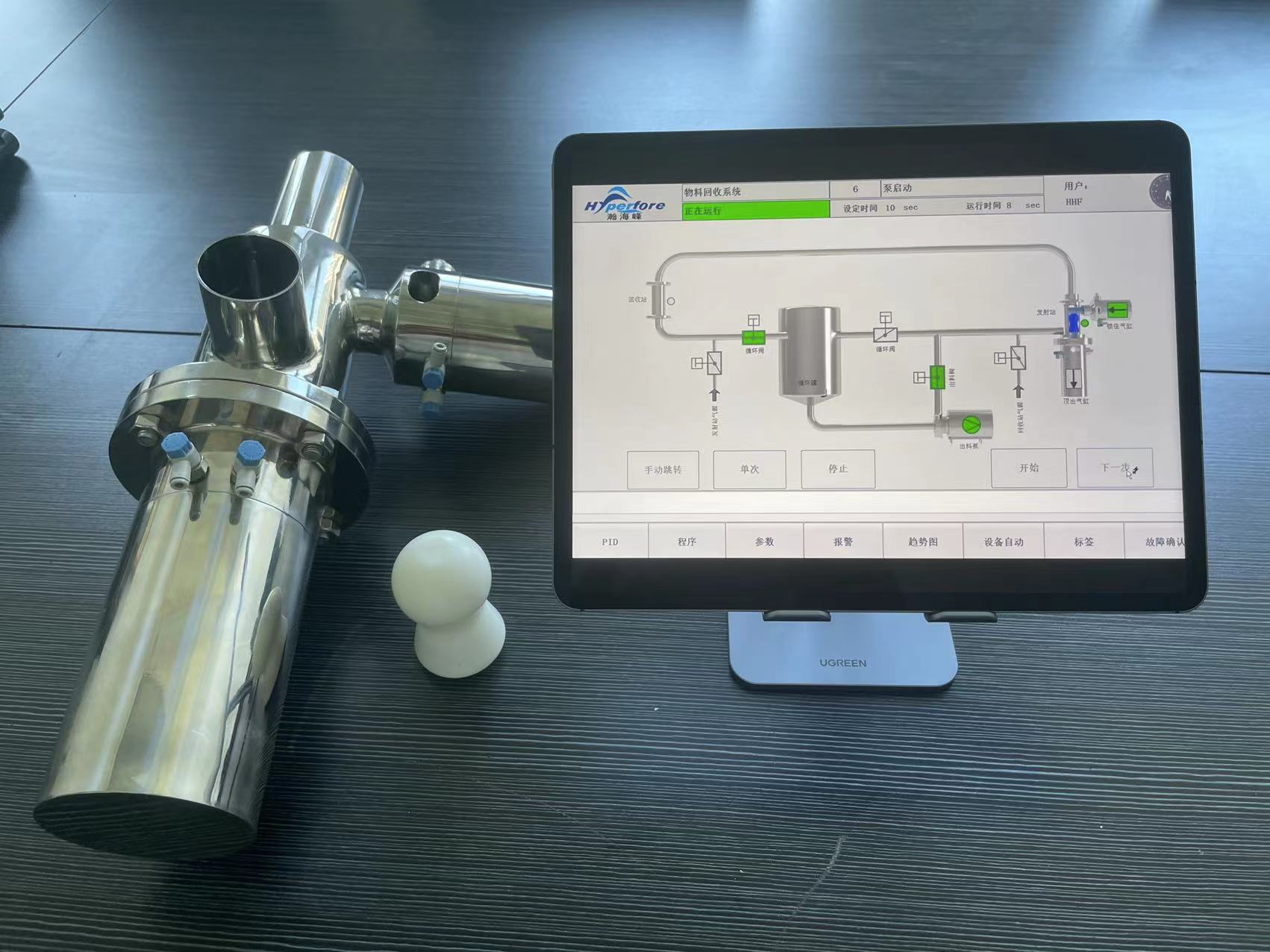
Opening latest lactose ventures rapidly incorporating line flushing methods to raise productivity and curb surplus in their dairy management routes. This presentation examines the foundations of tube pigging, including everything from the kinds of cleaners to foremost protocols for installation and servicing. Understanding these components is necessary for securing unwavering product quality and minimizing operational charges.
Maximizing Milk-based Fabrication with Pigging Systems
Current creamery creation centers deal with increasing needs to advance capacity and cut misuse. Pigging technology, a proven technique borrowed from the petroleum industry, is increasingly gaining popularity as a effective solution for enhancing dairy processes. This advanced approach utilizes a flexible device, the "pig," to clean product residue from pipelines and receptacles, ultimately restraining product damage and amplifying full harvest. Beyond mere decontamination, pigging also notably cuts operational expenses by minimizing the call for elevated temperature aqueous sanitizing cycles and sustaining uniform product quality.
- Lowers Product Decline
- Strengthens Production
- Lowers Consumption Charges
- Retains Stable Product Quality
concerning milk-based enterprises: Productivity and Healthiness
Integrating pigging solutions provides a meaningful asset for current dairy farms. These groundbreaking strategies efficiently dispose of residual leftovers from milk lines, mitigating depletion and maximizing performance. Moreover, strict cleaning rules linked with system application guarantee optimal sanitary condition and reduce the likelihood of infection – ultimately leading to a higher and more secure dairy farm.
Gains of Pipeline Cleaning: Curtailling Discarding and Maintenance Periods
Dairy pipeline management offer considerable boons for operations, primarily by lessening milk degradation and lessening service gaps. Traditionally, cleaning ducts involved time-consuming flushing, leading to considerable lactose liquid loss. Pigging techniques, however, slowly moves a instrument through the pipeline, extracting residual dairy liquids which can be recycled and returned back into the operation cycle. This also curtails spoilage but also reduces the term needed for upkeep, ultimately amplifying inclusive productivity and gains for the establishment.
Milk Pipeline Flushing System Design
The production of a dairy product pigging process requires precise layout considerations. Leading off, a thorough scrutiny of the current ductwork arrangement and liquid flow traits is fundamental. Then, the propelling unit option – should it be a ring or ellipsoid wiping unit – must be determined based on variables such as line internal size, cream fluidity, and expected cleansing productivity. What's more, inclusion with the establishment’s existing control infrastructure is crucial for efficient functionality and live oversight. Lastly, the system should be designed for easy management and constant continuity.
Identifying the Proper Sanitizing Method for Your Creamery Operation
Choosing the best displacing technique for a cream product establishment is a important consideration. Aspects to study consist of the extent of your ducts, the kinds of milk being conveyed, and the scope of impurity you’re aiming to remove. Sundry washing approaches, like cup devices or orbital solutions, offer varying operation and outlay profiles. A detailed inspection of these components will assist you select a rinsing method that optimizes liquid standard and reduces breaks.
Pipeline Cleaning - Enhancing Grade and Yield
The groundbreaking system of cream pigging is attaining traction within the lactose sector industry as a strong means of boosting substance standard and enhancing salvage. This technique utilizes a supple tube apparatus to carefully wash persistent milk from pipes, consequently lessening waste and markedly improving the complete value of the packaged cream-based products. Moreover, it supplies a eco-friendly choice to traditional procedures.
Repairing Frequent Complications in Milk Sector Pigging Processes
Concerns frequently crop up in creamery pigging methods, asking for efficient fixing. Prevalent concerns are related to hindrances within the cleaning device, resulting from limescale or alien remnants. In addition, intensity fluctuations can pigging system for dairy reveal deficiencies with the drive or displacing loop. In conclusion, weak displacing velocity may lead to deficient decontamination, invoking renewed inspection and modification.Modern Milk Production
The developing landscape of dairy generation demands increased efficiency and superior product standard. Advanced pigging technologies are surfacing as a important component in this development, offering a material advantage over historic cleaning practices. These sophisticated gadgets are upgrading dairy locations by minimizing cream product loss, lessening water demand, and improving overall healthiness. Consider the potential for sustainable practices and commercial savings through a wide-ranging pigging incorporation. Further enhancement is focused on adaptive pigging methods with concurrent monitoring and forward-looking maintenance, validating best performance and reducing downtime.
- Lowers waste
- Enhances efficiency
- Supports sustainability
