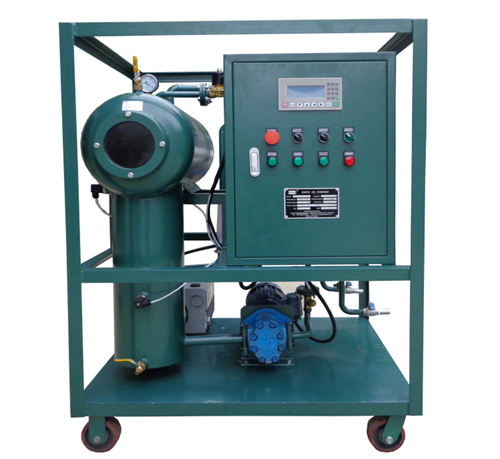
premium grade field based oil polishing crews?
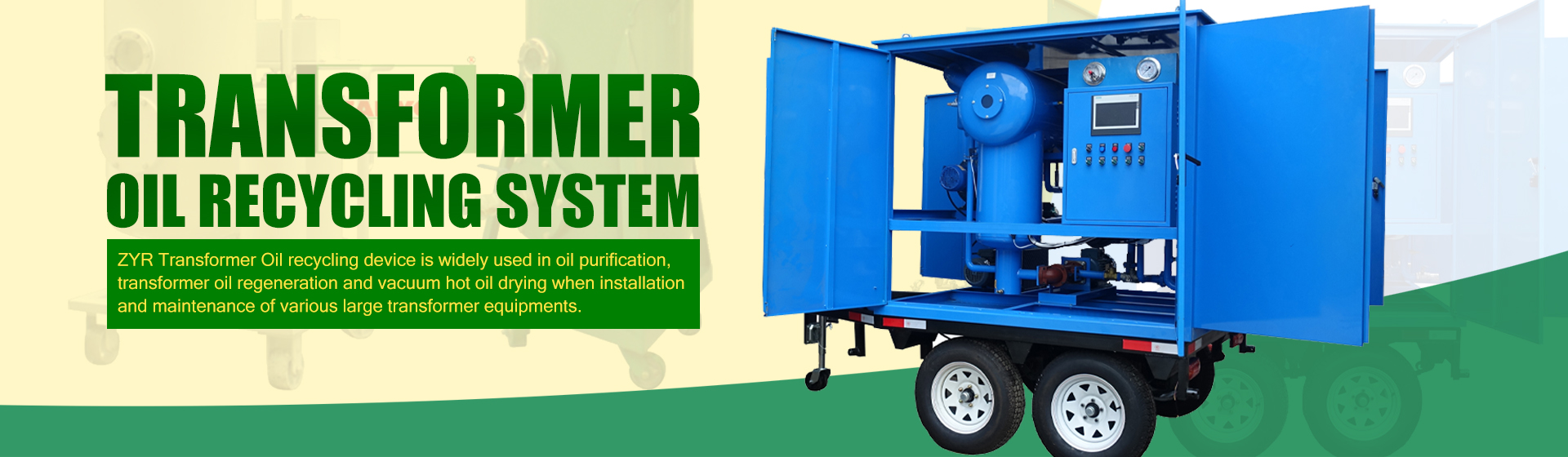
Embarking
Such fluid conditioning involving electrical devices is key in relation to particular working. Eventually, voltage transformer dielectric accumulates unwanted substances including disintegration elements, granules, and liquids. The adulterants can lessen the oil's insulating capacity and energy transfer attributes, ultimately impairing device trustworthiness and lifespan. To overcome this complication, sophisticated purification approaches are progressively being applied.
The approaches often involve a fusion of natural processes, covering extraction, adsorption, and corrosion. Custom removal units can competently purge noticeable particles from the oil, while zeolites are deployed to attach dissolved impurities.
- In addition, oxidation phases can be adopted to break down complex impurities, thereby improving the oil's properties.
These developments in voltage oil purification strategies foster to superior machine capability, consistency, and life expectancy, in the end minimizing downtime and accompanying costs.
Upgrading Lubricant Quality with Accurate Filtering Solutions
In the demanding world of factory workings, upholding peak hydrocarbon purity is vital for maximizing appliance life and comprehensive productivity. Advanced filtration arrangements are indispensable in this task by adroitly removing particles that can weaken oil integrity over time. These optimal filtering schemes adopt a fusion of physical filtration media and controlled engineering to catch a diverse array of particles from the oil stream. The product is fresher more reliable oil that can competently lubricate mechanical sections, reducing friction , fatigue, and failure. By executing precision filtration systems, corporations can greatly increase the useful life of machines, decrease maintenance costs, and achieve improved operational efficiency.
Next-Generation Hydraulic Filters: Supporting Seamless Working
During contemporary production surroundings, productive efficiency is critical. Optimizing equipment effectiveness and longevity is based on several factors, with oil purity emerging as a decisive factor. Production filtering mechanisms are integral in safeguarding oil condition by eliminating contaminants that can trigger untimely damage, disruption, and costly downtime. Those expert setups use innovative cleansing techniques to trap a extensive variety of impurities, covering elements, moisture, and oxidants. By steadily cleansing the oil, industrial oil purifiers prolong its life, amplify fluid effectiveness, and contribute to a more reliable and more sound work environment. Regularly upkeep of these systems is important to maintain their effectiveness. This demands overseeing the filtration process, refilling elements as needed, and adhering to supplier recommendations for optimal performance. By investing in first-rate industrial oil purifiers and implementing a robust maintenance schedule, industries can gain considerable expense reduction. Ultimately, these systems open avenues for hassle-free working, decreased halts, and increased profitability.Avoiding Failures Through Adequate Filtering
Oil filtering is a essential factor in the maintenance of any motor or equipment. Over time, engine oil becomes contaminated with scraps, which can slow down working and at last lead to crash. Employing effective oil filtration plans can significantly prolong the life of your machinery and ensure optimal operation. Constantly rotating your hydraulic oils and applying a top-grade filter are indispensable protocols. A dependable oil filter can successfully capture pollutants, retaining your machine operating efficiently.
Revitalizing Oil to Boost Transformer Life
Guaranteeing the performance of your power systems is key for a reliable and budget-friendly current network. Through operation, transformer oil naturally breaks down due to ignition, oxidation, and mechanical stress. This breakdown can cause increased operational disbursements, reduced efficiency, and potential damage to the hardware. Transformer oil regeneration offers a eco-friendly and value-driven solution to extend the longevity of your transformers by restoring their earliest properties and performance.
The procedure involves cleansing the used oil through a series of advanced means, such as filtration, dehydration, and oxidation inhibition. This efficiently gets rid of foreign matter, repairs dielectric strength, and augments thermal stability. By feeding regenerated oil into your transformers, you can significantly lessen maintenance requirements, augment general trustworthiness, and ultimately upgrade the longevity of your valuable assets.
Fundamentals of Fluid Cleaning in Manufacturing
Lubricant cleansing is a vital operation in industrial applications. Fluid oils are undergo contaminants such as dust, water, and degradation byproducts. These impurities can notably reduce the productivity of lubricants, leading to increased friction, wear, and system breakdown. Effective oil purification methods involve multifaceted systems to remove these contaminants. These methods can rely on combined filtering that physically trap impurities, chemical treatments that neutralize or react with the impurities, and thermal processing which extracts heat-sensitive matter. The selection of the optimal purification method depends on the nature of operation and the type of contaminants present. Regular oil purification not only boosts longevity of lubricating oils but also lessens repair overheads. Moreover, it promotes workplace safety by preventing equipment failures and curbing toxic discharge.
Overseeing Oil Quality: Full Report
Directing fluid cleanliness is paramount for ensuring operational efficiency and environmental responsibility. This extensive overview delves into the details of oil contamination, explaining its causes, consequences, and effective management strategies. Analysed are specialized best practices, inspection procedures, and regulatory directives to help you decrease oil contamination risks.
- Master the main contributors of oil contamination in various settings.
- Expose the damaging influences of oil contamination on equipment, infrastructure, and the environment.
- Apply proven strategies to prevent and rectify oil spills and leaks.
- Remain knowledgeable of industry regulations and best practices for oil contamination management.
Advancing Fluid Functionality by Purification
Retaining high quality in fluid mechanics obliges meticulous attention to detail, particularly when it comes to the quality of the hydraulic fluid. Fluid contamination can lead to a cascade of detrimental effects, including reduced efficiency, increased wear and tear on components, and even catastrophic system failures. Carrying out a robust treatment process is indispensable for mitigating these risks and ensuring the longevity and reliability of hydraulic systems.
Through regular filtration and cleaning processes, it's possible to remove harmful particles, water, and other contaminants that can compromise fluid performance. By employing premium filters with appropriate micron ratings and utilizing specialized purification equipment, operators can effectively maintain the integrity of the hydraulic fluid and extend the operational lifespan of critical components. This proactive approach not only minimizes downtime and repair costs but also enhances the overall safety and efficiency of hydraulic systems.
Exhaustive Transformer Fluid Renewal Procedure
Routine servicing of transformer oil is essential for the durable performance and operating duration of your transformers. With duration, oil can become contaminated with residues, affecting its ability to competently cool and buffer the transformer components. Deep cleaning transformer oil involves a multi-step process to purge these contaminants, restoring the oil's properties to optimal levels.
- At the outset carefully draining the existing oil from the transformer tank. This requires proper shielding actions and adherence to manufacturer's guidelines.
- In addition, the transformer tank ought to thoroughly cleaned with a suitable solvent. This operation helps dislodge any unremoved oil and contaminants from the tank's shell.
- Once the tank is washed, the refined oil can be fed back into the transformer. The amount of oil added has to conform to the creator's specifications.
- Finally, it is indispensable to observe the transformer's oil level and integrity regularly. This will permit you to find any potential concerns early on, allowing for instant action.
Picking the Proper Oil Purifier for Your Needs
Concerning settling on the perfect oil purifier for your specifications, it's important to consider a array of factors. First, determine the extent of your oil system and embrace a purifier that can competently handle it. Next, regard the type of oil you're operating with. Different purifiers are built to remove specific pollutants. Finally, weigh up your budget and explore different brands and models that go with with your demands.
- Moreover, notice to features like cleaning rate, operational sound, and servicing ease.
Tangible Benefits of Oil Purification
Regular treatment of transformer oil offers a multitude of measurable benefits that elevate the efficiency of electrical equipment. Primarily, purified oil reduces erosion to fundamental components, extending their lifespan. This minimizes expenditures. Furthermore, cleaner oil optimizes heat transfer capabilities, leading to more advanced cooling and preventing thermal overload.
By removing impurities, transformer oil purification facilitates smooth operation and mitigates the risk of faults. hydraulic oil purification system This ultimately {contributes to|leads to