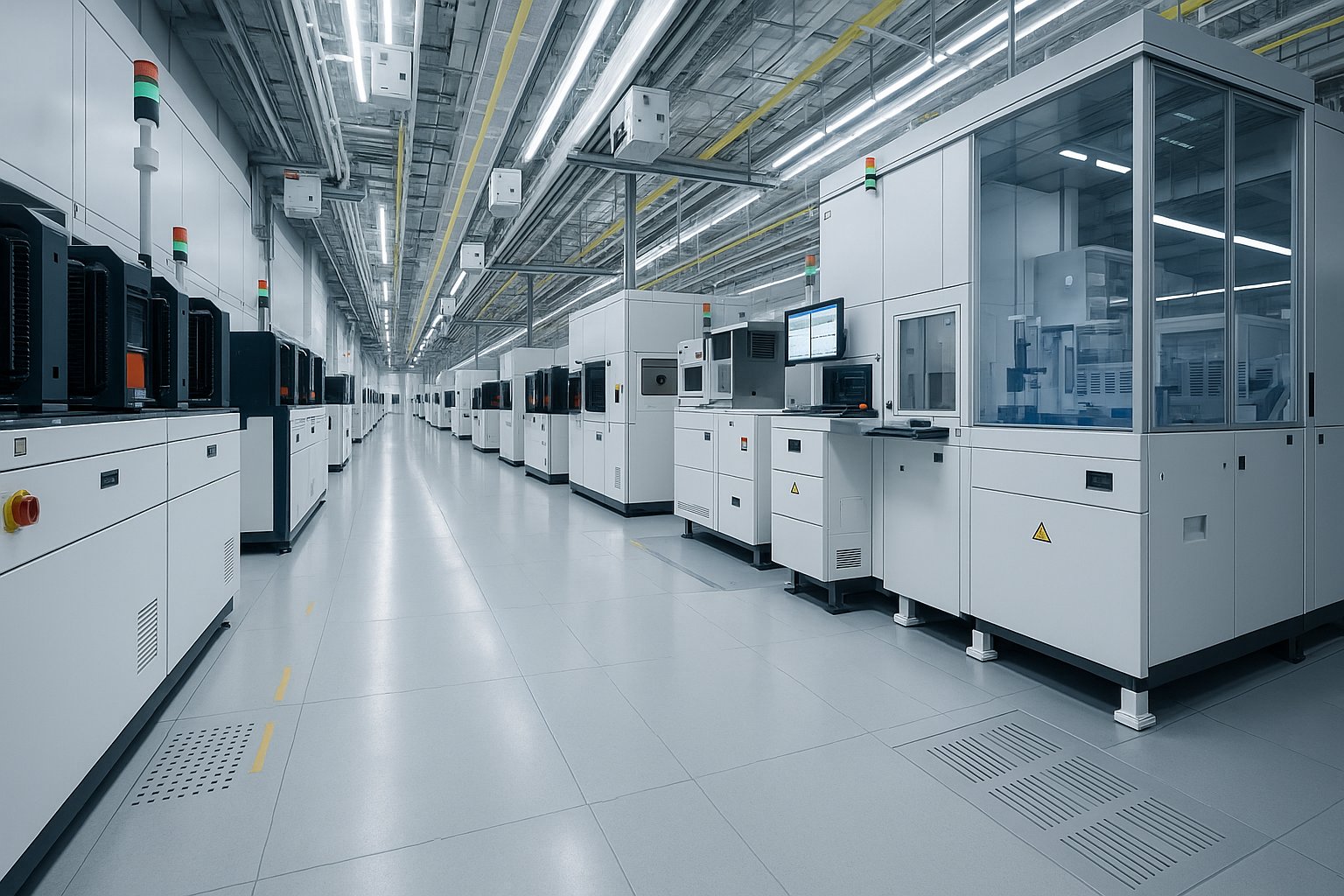
process enhanced advanced reactive ion etching setups?
Basic Principles within charged particle etching through microelectronic manufacturing. This procedure exploits electrified gas to carefully etch substrate layers for exact layout creation during small-scale fabrication. By refining critical parameters like plasma constituents, plasma power, and gas pressure, the rate of material removal, material preference, and pattern fidelity can be accurately regulated. Plasma etching has modernized advanced electronics production, monitors, and other cutting-edge electronics.
- Moreover, plasma etching is increasingly researched for subjects related to optics, biomedical applications, and solid material research.
- Various variants of plasma etching are applied, including chemical ion etching and inductively coupled plasma etching (ICP), each with unique advantages and limitations.
The complex characteristics of plasma etching require a extensive grasp of the basic mechanics and chemical mechanisms. This review seeks to offer a comprehensive description of plasma etching, including its fundamental ideas, various types, practical uses, advantages, problems, and expected advancements.
Riechert Systems for Exact Microfabrication
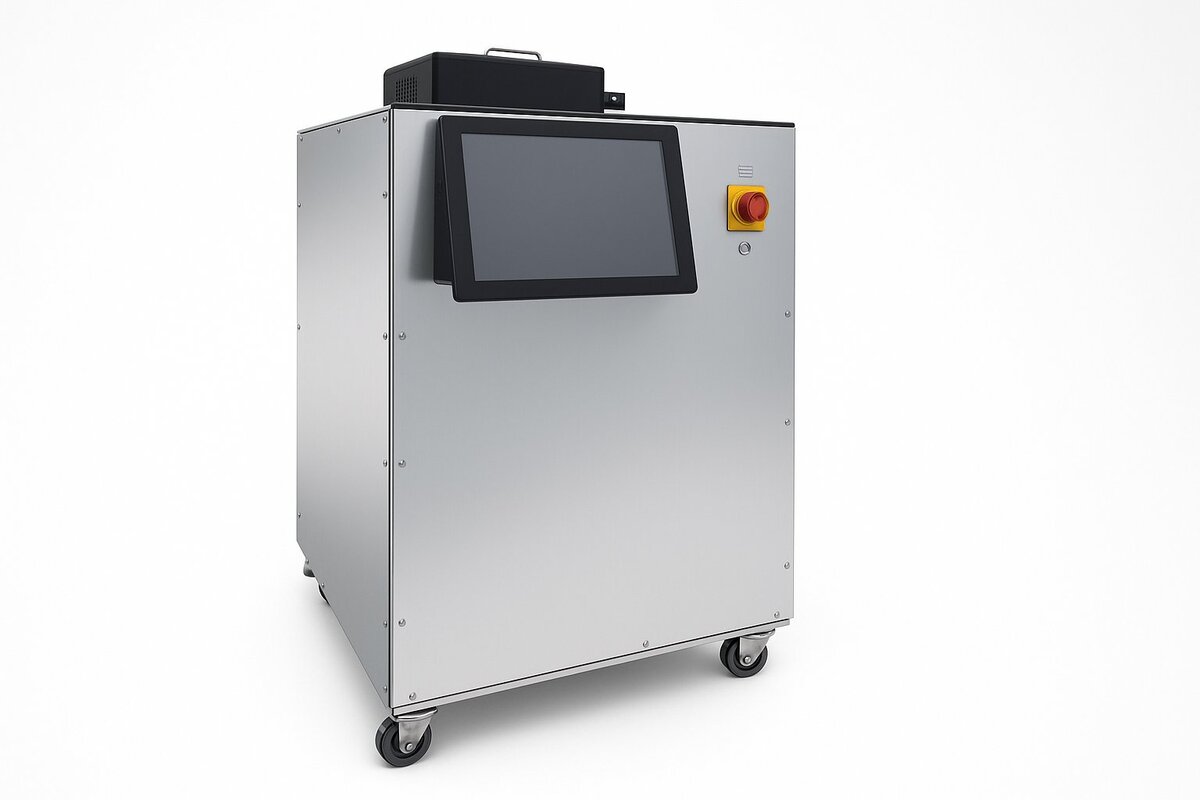
Within the domain of microscale manufacturing, Riechert etchers are preeminent as a pivotal equipment. These innovative devices are recognized for their exceptional accuracy, enabling the assembly of complicated designs at the minuscule level. By employing advanced etching methods, Riechert etchers maintain flawless regulation of the manufacturing sequence, producing outstanding outcomes.
The scope of Riechert etchers embraces a inclusive variety of industries, such as nanodevices. From generating microchips to designing cutting-edge medical gadgets, these etchers form a cornerstone in influencing the advancement of engineering . With devotion to excellence, Riechert frames benchmarks for exact microfabrication.
Foundations and Roles of RIE
Reactive charged ion etching stands as a major method in microelectronic creation. RIE utilizes a unification of atomic particles and reactive gases to cut materials with specificity. This action entails bombarding the targeted material with ionized projectiles, which collide with the material to form volatile gas chemicals that are then extracted through a suction system.
RIE’s ability to perform directional etching makes it extremely important for producing complex patterns in miniature devices. Functions of reactive ion etching cover the development of semiconductor valves, integrated circuits, and light devices. The technique can also generate submicron holes and vias for advanced memory chips.
- Reactive ion workflows offer precise control over processing velocities and target specificity, enabling the production of detailed patterns at high resolution.
- Multiple etching gases can be selected in RIE depending on the component material and desired etch traits.
- The anisotropic quality of RIE etching permits the creation of upright boundaries, which is required for certain device architectures.
Promoting Anisotropic Etching with ICP
Inductive discharge etching has become recognized as a vital technique for manufacturing microelectronic devices, due to its remarkable capacity to achieve precise anisotropic profiles and reaction specificity. The fine regulation of plasma characteristics, including voltage supply, reactive gas blends, and work environment pressure, allows the detailed optimization of removal rates and profile shapes. This elasticity makes possible the creation of precise designs with reduced harm to nearby substances. By fine-tuning these factors, ICP etching can reliably suppress undercutting, a usual complication in anisotropic etching methods.
Plasma Etching Methodology Comparison
Ion-assisted etching procedures are commonly utilized in the semiconductor realm for building delicate patterns on manufacturing substrates. This study reviews varied plasma etching processes, including physical vapor deposition (PVD), to test their performance for different compounds and targets. The study focuses on critical influencers like etch rate, selectivity, and topography quality to provide a careful understanding of the positives and constraints of each method.
Adjustment of Plasma Variables for Enhanced Efficiency
Obtaining optimal etching velocities in plasma strategies calls for careful feature regulation. Elements such as voltage magnitude, chemical concoction, and loading pressure notably modify the process tempo. By thoughtfully changing these settings, it becomes workable to boost operational effectiveness.
Understanding Chemical Mechanisms in RIE
Reactive charged particle etching is a primary process in microscale engineering, which entails the application of activated charged particles to meticulously carve materials. The underlying principle behind RIE is the contact between these reactive charged domains and the material interface. This interaction triggers ionic reactions that split and eliminate chemical units from the material, generating a targeted outline. Typically, the process employs a blend of activated gases, such as chlorine or fluorine, which become reactive ions within the plasma environment. These charged species bombard the material surface, triggering the ablation reactions.Performance of RIE is governed by various components, including the class of material being etched, the deployment of gas chemistries, and the operating conditions of the etching apparatus. Precise control over these elements is crucial for achieving top-tier etch shapes and limiting damage to nearby structures.
ICP Etcher Profile Management
Reaching correct and stable constructs is essential for the achievement of multiple microfabrication processes. In inductively coupled plasma (ICP) removal systems, management of the etch design is main in constructing magnitudes and configurations of details being produced. Critical parameters that can be adjusted to control the etch profile cover reactive gas mix, plasma power, heated layer condition, and the tooling design. By meticulously tuning these, etchers can engineer forms that range from evenly directional to profile-controlled, dictated by particular application stipulations.
For instance, sharply controlled etching is regularly desired to create deep cuts or microvias with precise sidewalls. This is accomplished by utilizing enhanced fluorinated gas concentrations within plasma and sustaining minimal substrate temperatures. Conversely, balanced etching forms smooth profiles owing to the regular three-dimensional character. This style can be beneficial for large region cleaning or surface defect correction.
Furthermore, leading-edge etch profile techniques such as high-aspect ion etching enable the creation of remarkably controlled and elongated, vertical features. These tactics typically require alternating between etching steps, using a concoction of gases and plasma conditions to achieve the expected profile.
Recognizing critical components that affect etch profile shaping in ICP etchers is essential for maximizing microfabrication methods and accomplishing the accomplished device capability.
Ion-Based Etching Solutions
Energetic ion-based patterning is a critical method utilized in semiconductor creation to accurately ablate substances from a wafer surface. This process implements intense plasma, a combination of ionized gas particles, to remove chosen portions of the wafer based on their structural features. Plasma etching supports several upsides over other etching processes, including high vertical selectivity, which assists with creating deep trenches and vias with reduced sidewall alterations. This sharpness is central for fabricating intricate semiconductor devices with structured layouts.
Purposes of plasma etching in semiconductor manufacturing are diverse. It is employed to produce transistors, capacitors, resistors, and other primary components that assemble the substrate of integrated circuits. Additionally, plasma etching plays a key role in lithography techniques, where it makes possible the meticulous configuration of semiconductor material to map circuit arrangements. The high level of control offered by plasma etching makes it an critical tool for state-of-the-art semiconductor fabrication.
Forthcoming Enhancements in Plasma Etching
Modern ion milling techniques is ever-changing, driven by the growing demand plasma etch for improved {accuracy|precision|performance