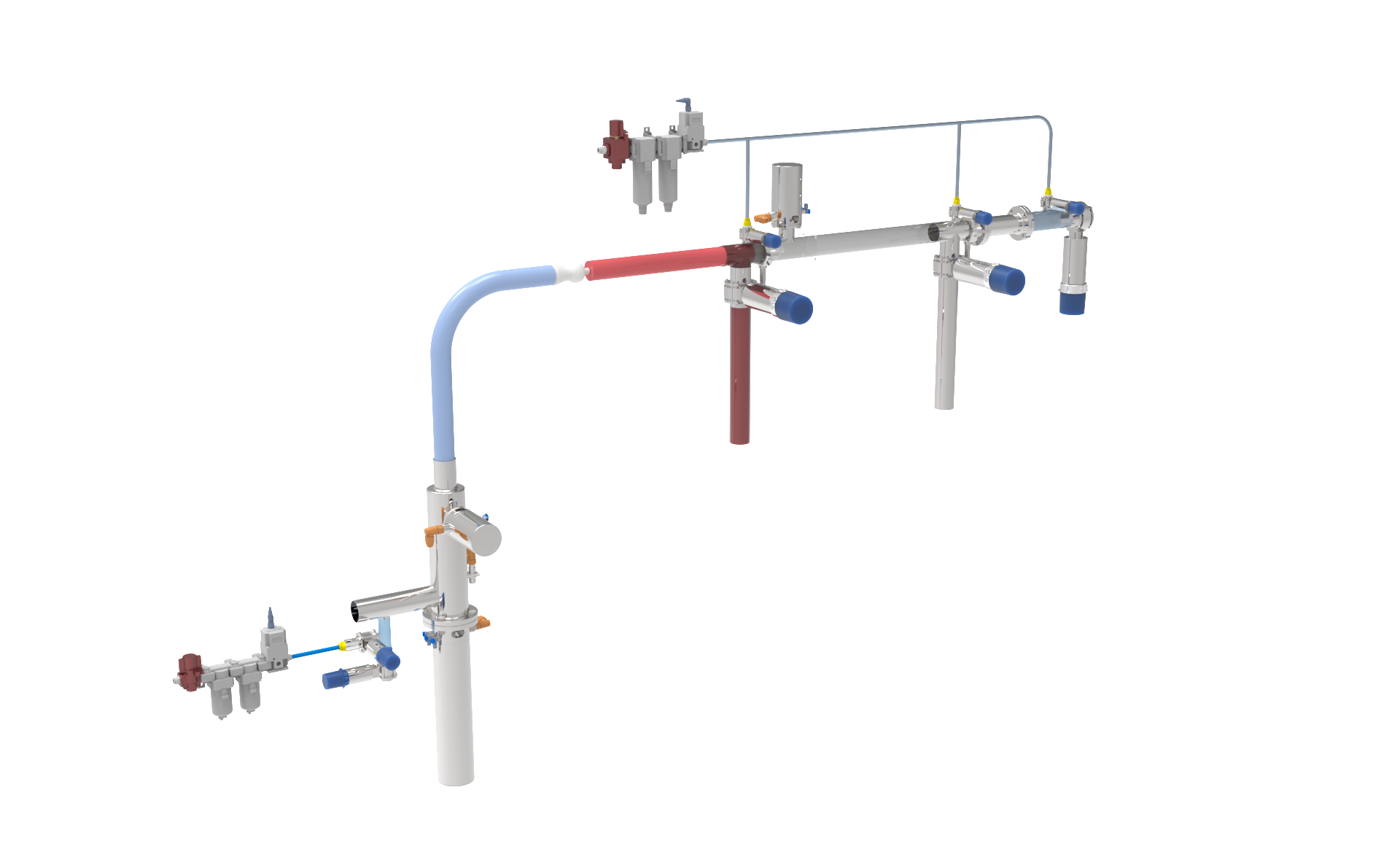
reputation strengthening reliability focused sanitary pigging in filling halls?
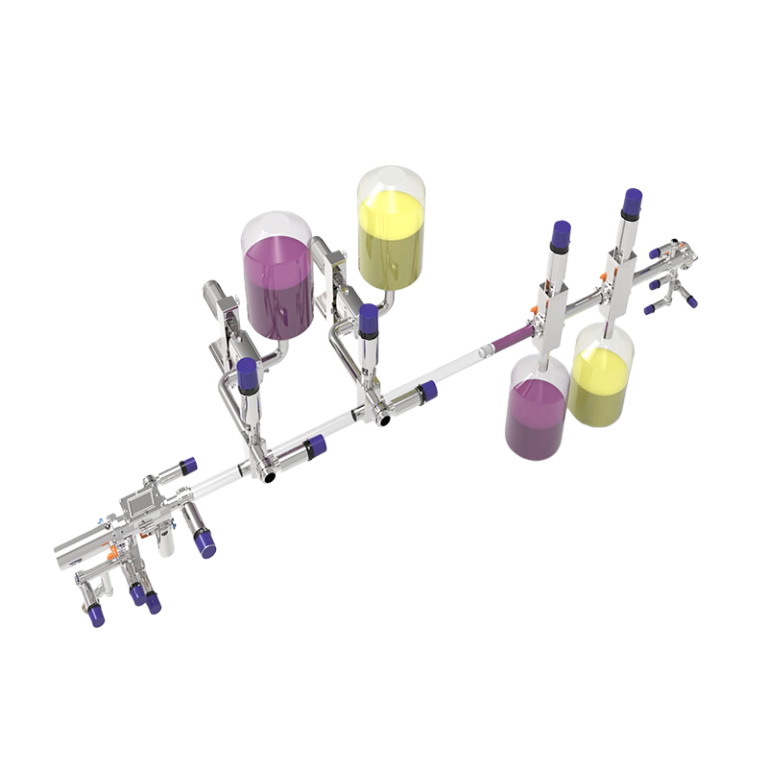
Kicking off pigging systems pet food Cutting-Edge Inspection Tools
Sanitary Pigging Solutions for the Food Industry
Performing cleanroom pigging practices secures excellent sterility including preserved contents. These protocols include corrosion-resistant alloys designed for withstanding meticulous maintenance in the course of limiting microbial buildup.
- Progressive blueprints feature programmable sanitation phases, boosting workflow productivity.
- Satisfaction of safety norms is vital for every pipeline hygiene approach utilized in nutritional product production. Systems are assembled to fulfill strict requirements, supporting the strongest contamination control.
Advancing Pipeline Productivity with Pigging Solutions
Fluid transport pigging methods brings a effective practice for optimizing channel effectiveness. Through implementing intelligent pipeline tool deployment and strategic maintenance routines, personnel can alleviate pipe outages, increase fluid speeds, and preserve pipeline resilience. Pigging locates potential challenges such as stoppages or degradation but also allows efficient treatment and monitoring practices. This forward-looking channel supervision greatly lowers service charges and fosters the entire stability of pipeline systems.
Pet Food Processing Pigging Solutions
Fluid pipeline pigging have become essential components within the animal feed processing industry. These systems allow the safe and efficient distribution of inputs through flumes, reducing cross-contamination. By efficiently separating different materials or output segments, pigging systems benefit sustain the highest levels of condition and soundness in pet food production.
Besides, pigging systems yield a portfolio of benefits, involving reduced downtime for upkeep and monitoring, improved system functionality, and meager feed discard. The use of pigging systems decisively aids the production of protected, beneficial, and steady pet food.
Critical Design Elements of Sanitary Pigging in Pet Food
Across the creation of pet food, securing cleanliness is crucial. Pigging systems play a vital role in protecting product trustworthiness and effectiveness by thoroughly decontaminating pipelines between manufacturing stages. A well-designed pigging system incorporates ingredients that diminish microbial threats, encourage efficient cleaning procedures, and ward off impurity infusion between batches.
- Utilizing unblemished coatings decreases the potential for biological habitation.
- Substances that are disinfectable and decay-resilient are important for preserving hygiene.
- Suitable controllers avoids the regurgitation of intrusions during maintenance and ingredient conveyance.
Sanitary pigging system designs also elevate workflow effectiveness by shrinking downtime for sterilization. By systematically taking away residues and preventing cross-contamination, these systems help to a more reliable production process, indisputably leading to the manufacture of sanitized and superior pet food.
Flow Line Cleaning and Testing
Preserving the strength of pipelines is indispensable for trustworthy and productive distribution of materials. Pigging systems present a cost-effective technique to upholding pipelines. A pig, also known as a pipeline instrument, performs as a automated device propelled through the pipeline to complete various operations. Cleaning pigs dislodge buildup and contaminants, while inspection pigs are installed with devices to detect erosion in the pipe walls. Regular pigging helps curtail pipeline disruption, safeguarding safe and reliable workflow.
- Several types of pigs operate, each adapted for specific requirements.
- Pigging operations are efficient and can be executed without interference.
- Incorporating a pigging program can amplify the lifespan of pipelines and decrease maintenance costs.
State-of-the-Art Pipeline Systems in Pet Food Sector
Pigging has emerged as a vital process in the pet food industry, maintaining efficient and sanitary production.
Leading-edge pigging technologies exploit sophisticated instruments to effectively clean pipelines. This minimizes the risk of ingredient adulteration between different pet food compositions, thereby upgrading product safety and quality.
In addition, advanced pigging apparatuses offer a range of benefits such as: * Refined cleaning and upkeep approaches * Lowered operational interruptions and halts * Superior cleanliness quality * Curtailed application of dangerous compounds
The integration of these technologies shows the pet food industry's commitment to providing trustworthy and excellent supply for customers.
Barriers and Countermeasures in Pigging Systems for Pet Food Production
Pigging applications play a key role in the pet food production process, securing efficient transfer of materials and finished products. However, these systems face wide-ranging challenges. One prevailing concern is blockages caused by material aggregation. Mitigating this downside involves deploying pigging approaches such as flexible pigs and fine-tuning ingredient compounds.
Another issue is the potential of contamination. Mitigate this, strict decontamination protocols need to be followed throughout the pigging system. This incorporates regular washing of pigging machinery and execution of efficient cleaning chemicals. Regular inspections are also mandatory to pinpoint potential complications early on. By executing these solutions, pet food manufacturers can maintain the efficiency and stability of their pigging systems.
Positive Impacts of Pigging Methods on Pet Food
Cleaning pig devices offer a variety of strengths for pet food manufacturers focused on enhance their production processes. These systems operate hydraulic pressure used to propel one pig, a cleaning device, through the pipeline, precisely removing product residue and contaminants. Hence, pigging systems enable to upgraded hygiene standards, reducing the risk of cross-contamination and offering a safer final product for pet owners.
- Also, pigging systems can expand production efficiency by lowering downtime for cleaning and maintenance.
- Plus, they aid to lessen waste by avoiding product loss during pipeline cleaning.
- At last, pigging systems can be tailored to accord with the specific requirements of different pet food production lines.
Pigging Systems: Success Stories in Pet Food Manufacturing
Pet aliment domain is becoming more reliant on efficient and sanitary methods for supporting optimal product quality. Pigging systems have developed into a prominent solution to meet these demands, offering a proven method for cleaning and maintaining pipelines within pet food plants.
Multiple case studies highlight the success of implementing pigging systems in various phases of pet food production.
- Producers like [Company A], [Company B], and [Company C] have reported significant improvements in sanitation, product consistency, and overall operational effectiveness following the adoption of pigging systems.
- Rewards such as reduced downtime for cleaning, minimized cross-contamination risks, and improved visibility of product flow have been confirmed in these case studies.
Also, pigging systems contribute to environmental reduction by improving resource utilization and minimizing waste generation.
Identifying the Right Pigging System for Your Pet Food Pipeline
In terms of maintaining the sanitation standards of your pet food production, a dependable pigging system is fundamental. Pigging systems raise efficiency by eradicating product residue and preventing cross-contamination between batches. Selecting the suitable system depends on a variety of considerations, including your capacity, component characteristics, and implemented infrastructure.
- Examine the measurement of your fluidways to ensure a adapted pig design.
- Analyze the viscosity of your pet food products to choose the best pig material and velocity of operation.
- Focus on systems that include features like remote launching and retrieval for optimized reliability.