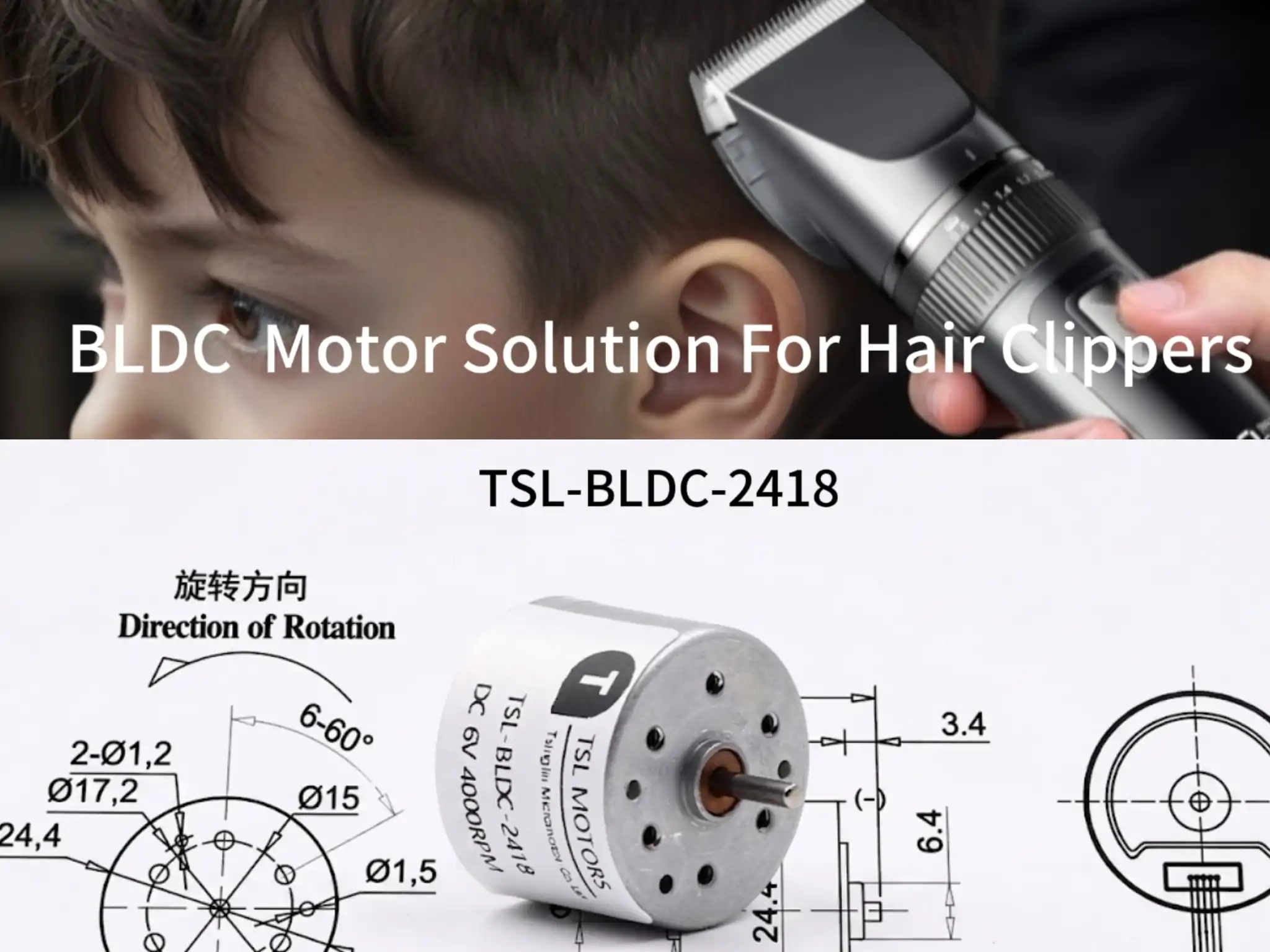
Use an LRA motor to deliver subtle, localized vibrations in wearables and click to evaluate operating voltage ranges and drive waveforms
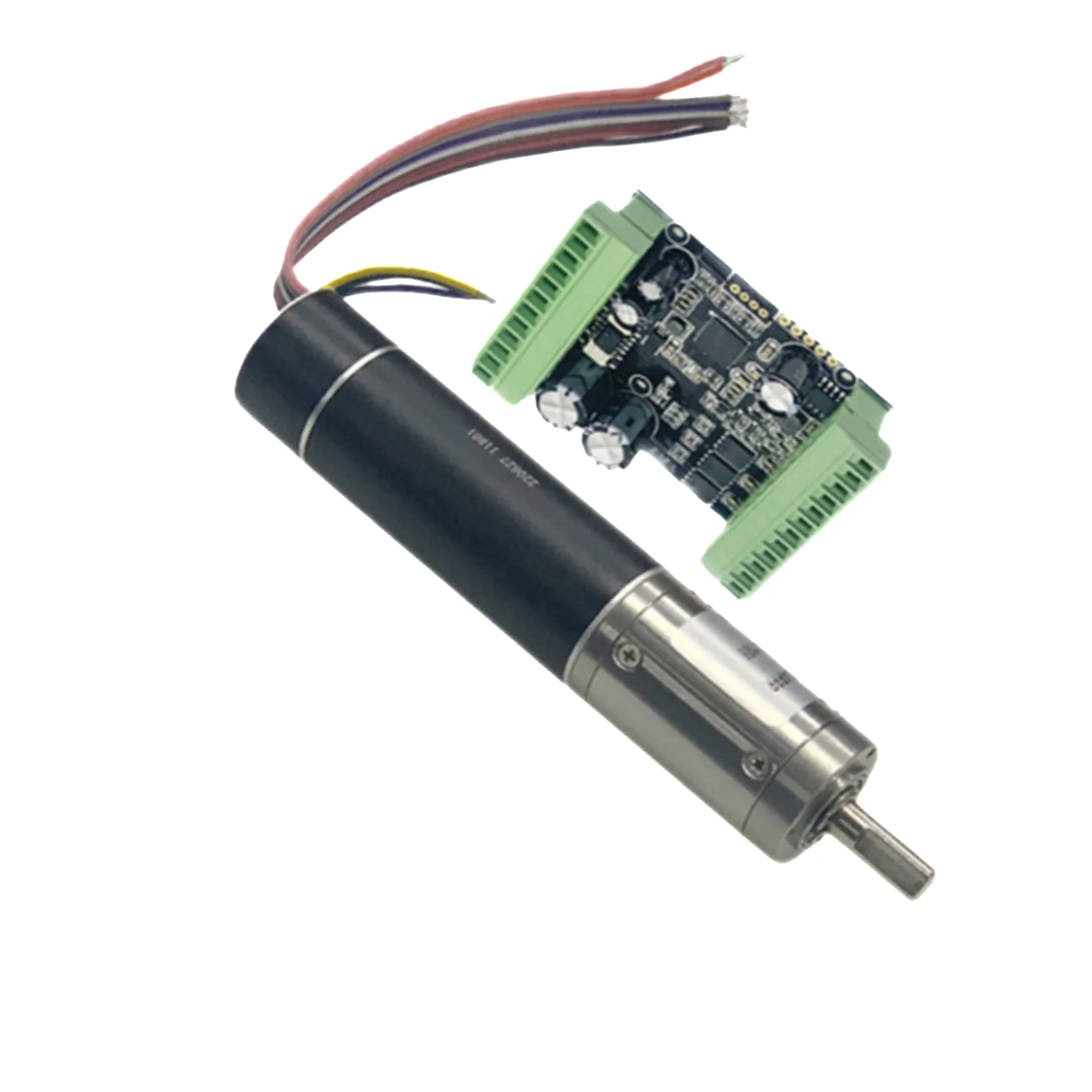
Hello
Resonance Motors portray a original strategy to displacement, identifying themselves from customary power units through their basis on waveforms. The blueprint typically consists of a foundation and a shifting element, meticulously produced to augment capability at a fixed tonal frequency. Implementations for these mechanisms are spreading, stretching across fields such as exact manufacturing, clinical gadgets, and smart automation where detailed operation and swift action are critical. Furthermore, their compressed form and energy-saving quality cause them attractive for compact units.
Lightweight Precision Gear Motors: Optimal Performance in Miniature
Miniature coreless gear machines offer a outstanding fusion of high potency and precise handling in one incredibly miniaturized configuration. Unlike traditional classic DC motors, coreless schemes remove major the inductive drag, producing in improved dynamic effectiveness. That composition facilitates for highly reduced amperage draw and improved mechanical leverage features, empowering these appropriate for high-level uses namely digital devices, therapeutic kits, and miniature handheld devices.
- Enhanced Effectiveness
- Sharp Movement
- Reduced Shape
BLDC vs. Brushed: Selecting the Best Motor for Your Needs
Picking a classic-style DC driver and a sensorless DC machine can feel tricky, but understanding the central separations will assist you. Legacy DC motors are less intricate and mostly cheaper to acquire, offering a simple blueprint. However, they undergo from erosion on the conductive strips, which make necessary periodic replacement and produce sparks. BLDC motors, on the other hand, cut out carbon brushes altogether, resulting in augmented power, expanded functional time, and curtailed care needs. They also execute more peacefully. Consider the task; cost-conscious applications with ordinary output needs might be acceptable with a conventional power unit, while specialized systems demanding robustness and performance experience greatly from a BLDC engine.
- Brushed Motor Benefits
- Reduced initial fee
- More elementary blueprint
- Brushless Drive Strengths
- Enhanced performance
- Longer useful life
- Cut back support
- More silent operation
Micro Epicyclic Gear Systems: High Power Density
Miniature rotational engines constitute a significant enhancement in transfer systems. These particular condensed assemblies furnish significant power within a unusually miniature size. The respective configuration utilizes spinning gear theories to achieve maximum transmission measures and productivity, supporting them fitting for uses ranging from smart technology and clinical mechanisms to accuracy equipment and aeronautical systems.
Knowing LRA Mechanisms for Optimal Use
To gain leading efficiency from Linear Rotary Actuator (LRA) powers, a detailed insight of their distinctive craftsmanship is critical. LRAs symbolize a modern technique capitalizing on linear movement to yield rotary rotational strength. Key elements contain the relationship between the inductive pressures and the mechanical segments, which directly modify the velocity and correctness of the generated spinning. Careful analysis of these guidelines is necessary for optimal installation and support in various uses.
Reasons to Prefer Coreless Gear Motors: Benefits Unveiled
Coreless precision units furnish prominent benefits versus customary templates. Primarily, the lack of a iron heart causes minimized impedance, making possible faster speedup and better placement. It attributes designate them as fitting for operations requiring precise management, like mechatronics and life science tools. Besides, unwound units commonly possess increased service lives due to lowered temperature output.
Brushless DC Drive Selection: Important Factors
Electing the correct DC engine requires careful study of countless essential parameters. At the outset, ascertain the application's required mechanical strength and rate of rotation. In the next step, examine an electrical potential range and electrical current prerequisites. Moreover, consider the service climate, including warmth, inrunner rotor bldc motor humidity, and foreseeable jarring.
- Dimensions and bulk are typically essential checks.
- Productivity and output deployment are expected to be considered.
- Rate - comparing operation with capital restrictions is essential.
A Development of Minute Gear Reduction Devices in Automated Machinery
The growing demand for compressed and accurate motion in advanced robotics is fueling the spread of micro planetary transmission motors. These modules offer a significant advantage over traditional drives in applications like medical robots, drone vehicles, and portable electronics. As opposed to simpler designs, their rotating gear arrangement allows for greater torque density and curtailed backlash, translating amplified positioning fineness. In addition, the modest size of these units is vital for integration into compressed robotic platforms.
- Shrunken Extent
- Increased Force Density
- Elevated Precision
Overview of LRA, Coreless, and Brushless DC Drives
Reflecting on selecting a power unit for one’s own initiative, grasping the separations between multiple types is necessary. Let us concisely evaluate three typical options: Linear Resonant Actuator, Coreless Brushless, and Brushless Direct Current. Linear Motor Types produce linear shift and are primarily employed in scenarios where spinning displacement isn't desired . Brushless core drives supply amplified turning force aspects and diminished hindrance relative to legacy brushed DC power sources. To conclude, Digital DC motors provide exceptional potency, lengthy functional period, and hushed activity, even though they commonly need additional intricate regulation circuitry.